Spacebook

25%
USER SATISFACTION
Positive feedback increased after the clearer, more usable redesign.
40%
INCREASE IN NEW REG
A simpler onboarding and clearer value led to faster user sign-ups.
35%
HIGHER USER RETENTION
Users returned after their first use compared to the old experience.
30%
FASTER INVOICE
Reduced time spent creating, reviewing, & managing invoices.
Overview
Spacebook is a San Francisco-based SaaS platform providing accounting software for small and mid-sized businesses. It offers invoicing, time tracking, tax summaries, and financial dashboards to simplify financial management.
Industry
Consumer Tech, AI
Headquarters
California, USA
Live Website

Problem
The problem with everyday accounting tasks
Spacebook had a powerful accounting backend, but the product experience didn’t reflect it. Users struggled to quickly understand their financial status, navigate key actions, or feel confident managing invoices and payments.
As a result, many users dropped off after their first session.
Unclear value at first use
Users struggled to quickly understand their financial status or the core value of the platform, leading to early drop-offs.
Complex daily workflows
Key actions like invoicing and payments required too many steps, slowing down everyday accounting tasks.
Poor data scannability
Financial insights were available but not easy to read at a glance, making decision-making harder.
Low first-session retention
Many users left after their initial visit because the value wasn’t surfaced fast enough.

Clear financial overview
Key metrics like revenue, profit, and outstanding balances are surfaced instantly on the dashboard.
Simplified invoicing & payments
Reduced steps for creating, reviewing, and managing invoices to speed up daily workflows.
Improved data hierarchy
Charts, tables, and summaries are structured for quick scanning and better decision-making.
Guided first-time experience
Clear navigation and prioritised actions help users see value quickly and stay engaged.
Solution
Making everyday
accounting easier
We designed Spacebook to make accounting tasks clearer, faster, and easier to complete, helping users understand their finances at a glance and act with confidence.
Process
We followed a clear, design-first process focused on real accounting workflows and everyday use.
01
Understanding the accounting market, user needs, and product gaps.
[Market research] [Acc workflow analysis][User drop-offs] [User pain points]
Research
UX Research & Design Artifacts
User acquisition insights
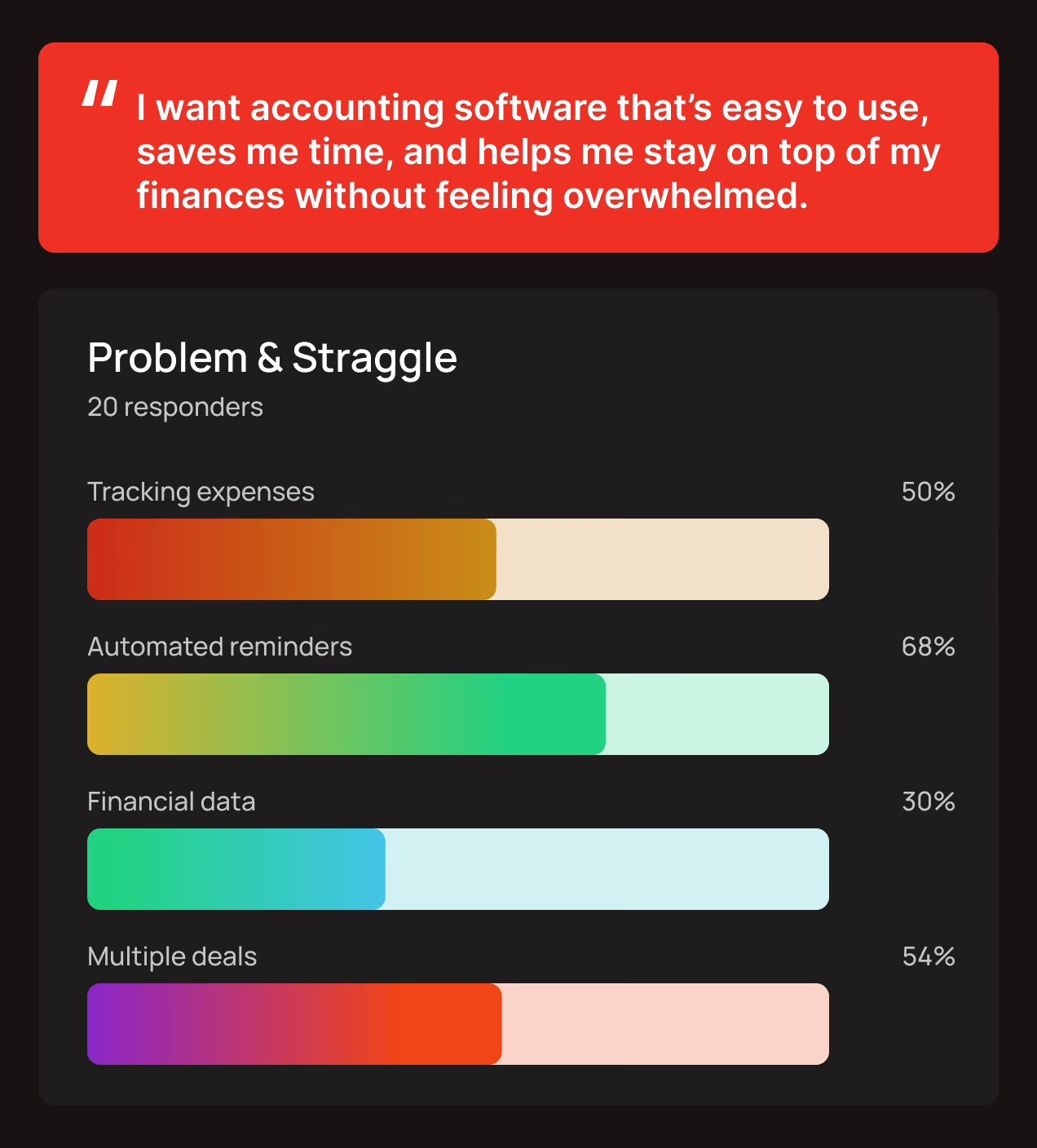
30% of users prioritize faster invoicing, 25% value real-time financial tracking, and 18% focus on tax compliance efficiency.
User persona definition
Personas like David Armano represent accountants who need clear financial status, reliable tracking, and time-saving workflows for managing multiple clients.
Invoice and expense challenges
87% of users struggle to track paid and overdue invoices, while 64% find recurring data entry frustrating.
Onboarding and guidance needs
90% of users prefer a simple, guided interface, especially during their first experience with the product.


Visual Design
Visual Identity and Brand Story
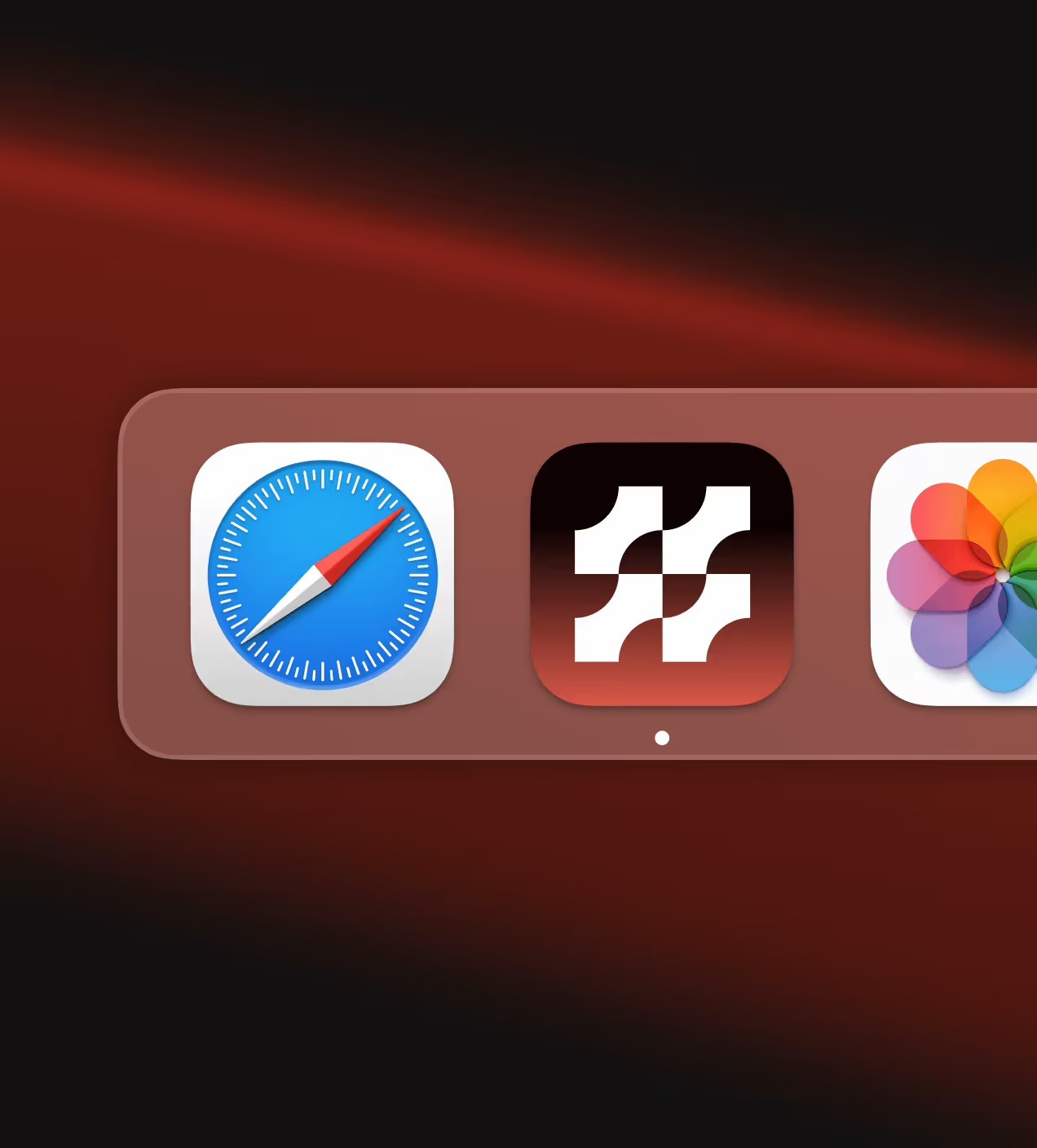
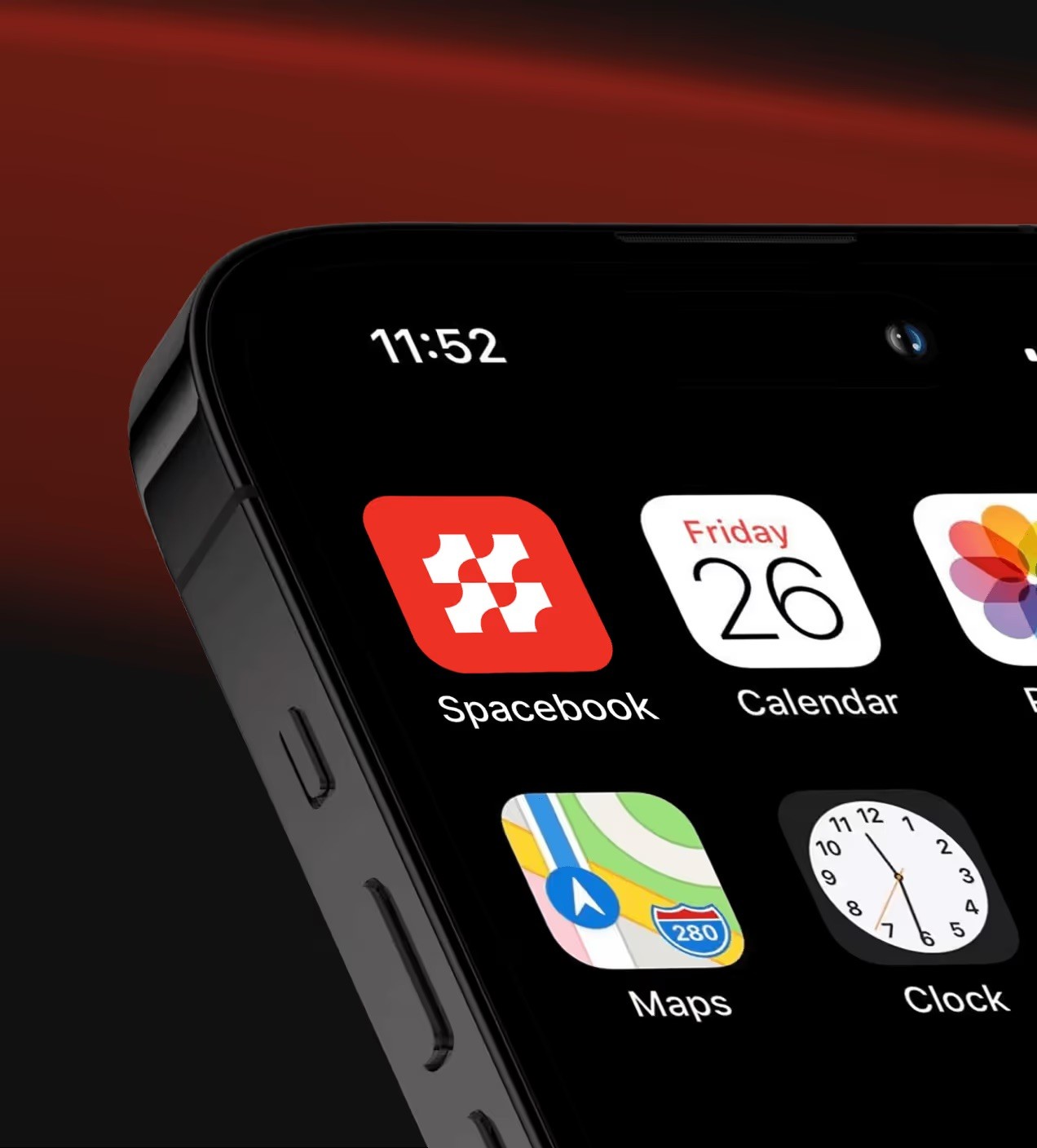
Spacebook’s brand was created to make financial management feel confident, modern, and trustworthy. A bold red-led visual language communicates energy and decisiveness, while dark tones add stability and focus. The identity is clean and direct, designed to feel professional without being intimidating.
Typography and color work together to keep the brand sharp, readable, and memorable across all touchpoints. Through a consistent and recognizable visual presence, Spacebook moved beyond being just a functional accounting tool and became a brand users can easily recall and trust in their daily financial work.







Design System
A design system built for Spacebook
Spacebook’s design system establishes a unified visual foundation across the product by standardizing color, typography, layout, components, and icon usage.
It ensures consistency across dashboards, tables, cards, and controls while allowing the product to scale without visual drift. The system uses a neutral-led color palette (#FFFFFF, #E1E1E1, #323131) for clarity, deeper tones (#060100, #200906) for structure, and bold reds (#FF371E, #A01504) for emphasis and system states.
Inter is used as the primary typeface to maintain clear hierarchy and readability in data-heavy views. A modular grid, reusable UI components, and consistent icon rules keep layouts predictable, maintainable, and aligned across web and mobile.


UX Design
UX design for everyday accounting needs
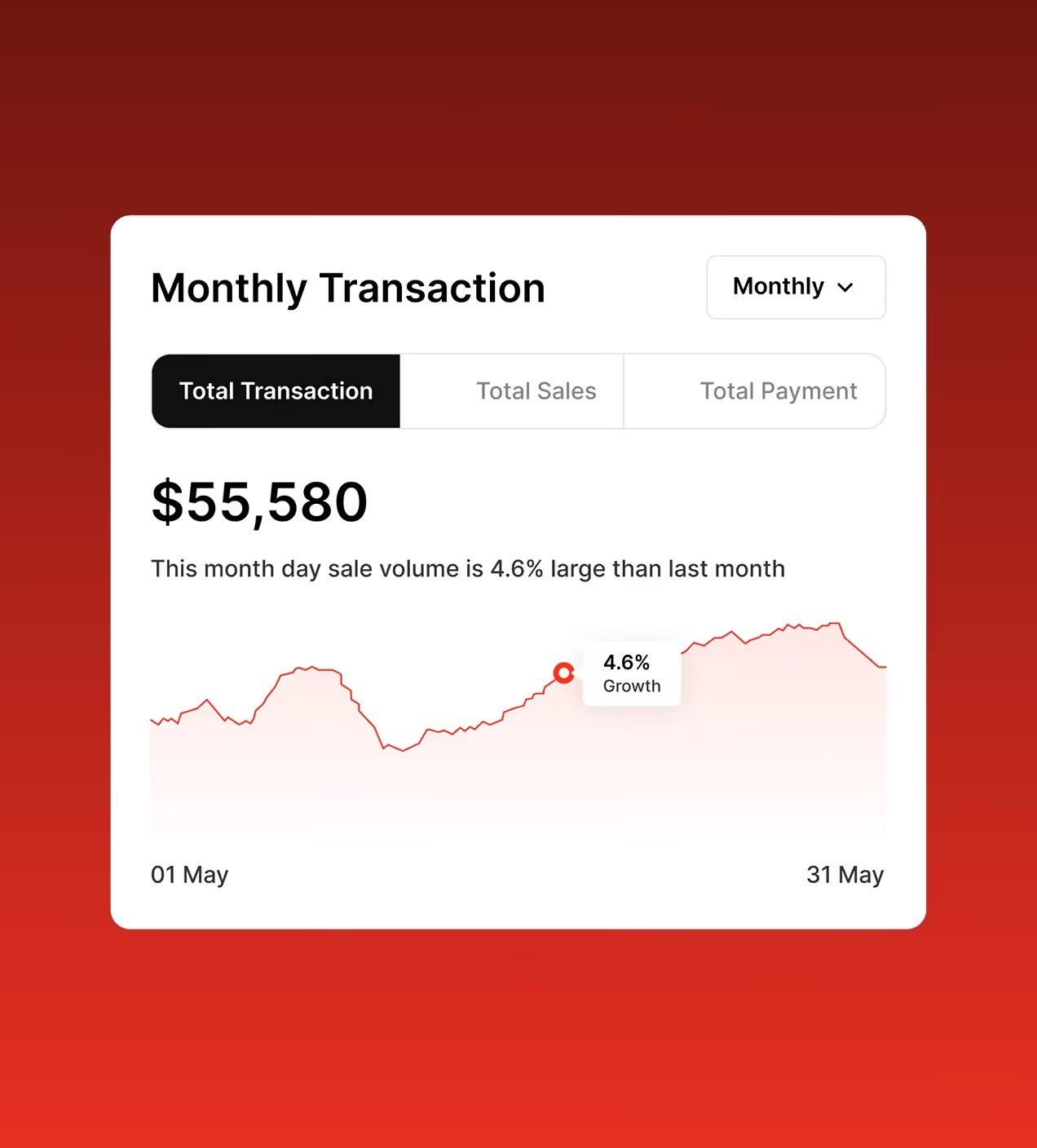
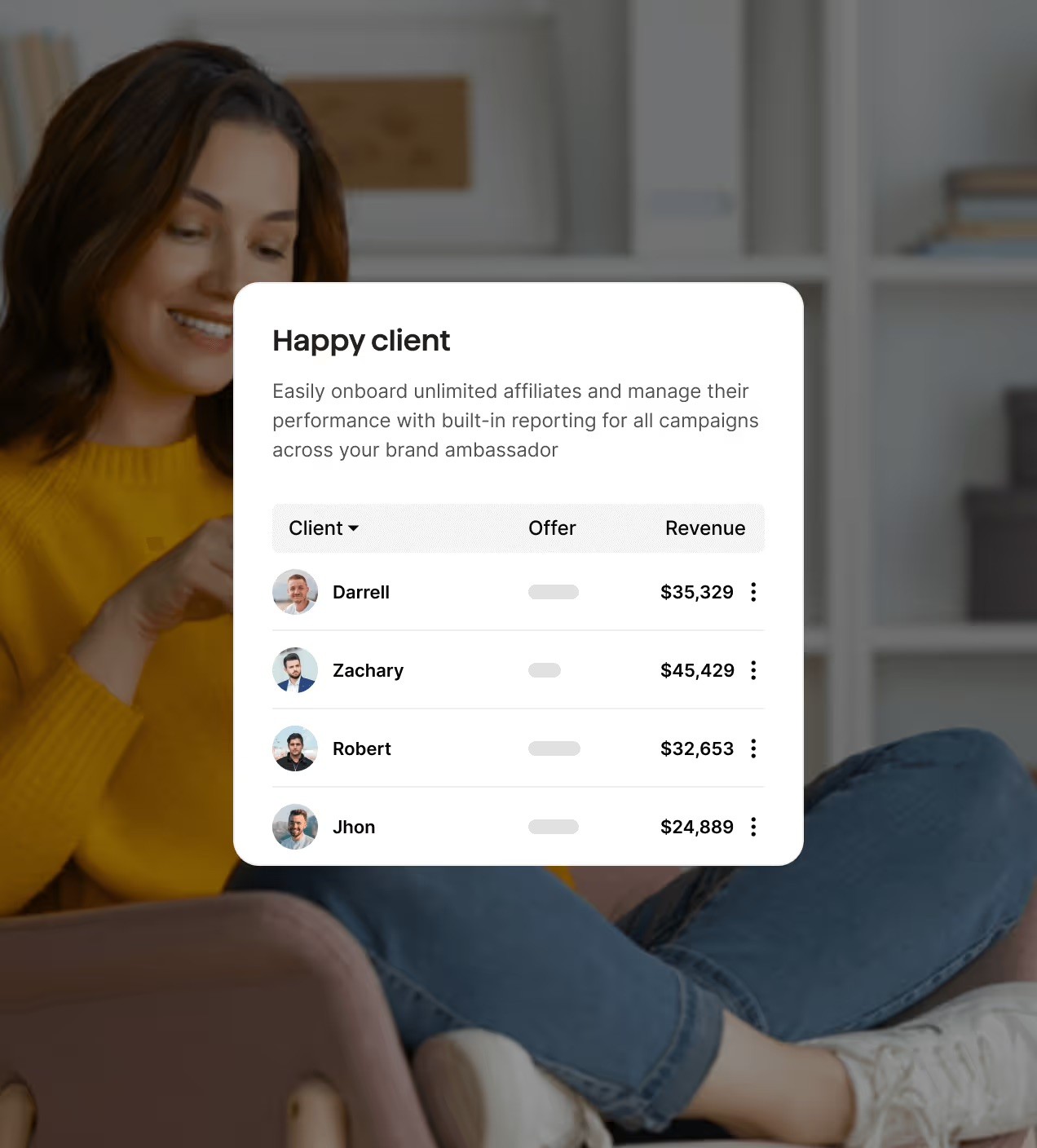
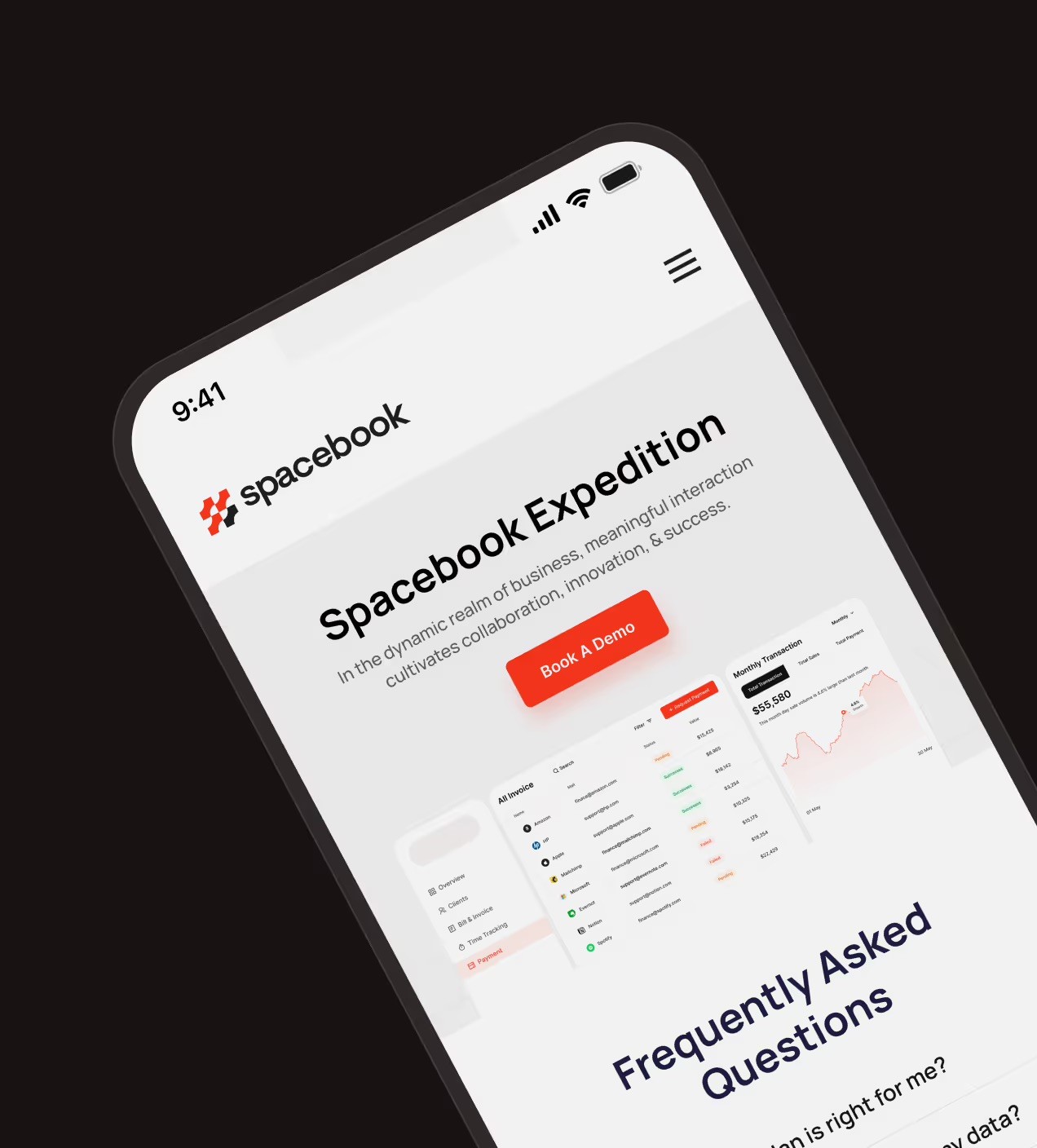
The UX design of Spacebook focused on helping users understand their finances quickly and act with confidence. We reduced cognitive load by simplifying layouts, prioritizing essential information, and removing unnecessary steps from everyday accounting workflows. Financial data is organized for quick scanning, with clear hierarchy across dashboards, tables, and summaries.
Core actions like invoicing, payments, and tracking appear where users naturally expect them, creating a predictable and efficient experience that supports accuracy, speed, and daily financial management.


Results & Outcomes
Stronger engagement through better UX

Clearer layouts and simpler workflows led to more positive user feedback.
Users were more likely to return after their first session due to improved usability.
Streamlined flows reduced the time spent managing invoices and payments.
A clearer first experience and improved onboarding helped convert more new users.
Clear dashboards and structured data views lowered confusion and mistakes.


